Lead Generation · · 7 min read
Qualified Lead Generation With Facebook Ads: A Step-by-Step Guide
Qualified lead generation is the process of attracting people who actually fit your ideal customer and are ready to talk, then getting them in front of your sales team. Facebook and Instagram ads are a strong way to do it, but only if you set up the campaign to filter for quality instead of chasing the cheapest form fill.
This guide walks you through the process we use at Volt Digital: define the lead, build the offer, target the right people, shape the form, follow up fast and measure what matters. If you would rather hand it off, you can book a free strategy call and we will talk through your goals.
What Qualified Lead Generation Actually Means
A lead is just a name and a contact method. A qualified lead is a lead that meets the standards your business sets for a real opportunity. Those standards are usually a mix of four things:
- Fit: They are in your service area, your price range and your target customer group.
- Need: They have a problem your product or service solves.
- Ability: They can buy, whether that is budget, eligibility or decision-making power.
- Timing: They want help now, or soon.
Write these down before you launch anything. If your sales team cannot say what a good lead looks like, no ad campaign can find one for them. Sit down with the people who answer the phone and ask which leads turned into customers and which wasted their time. Their answers become your targeting and your form questions.
Step 1: Define Your Ideal Customer and Your Goal
Start with one clear goal. "More leads" is vague. "Booked consultations from homeowners within 25 miles" is a goal you can build a campaign around.
For each goal, decide:
- Who the customer is (age range, location, situation, industry if you sell to businesses).
- What action counts as a win: a booked call, a submitted application, a phone call or a quote request.
- What a lead is worth to you, so you know how much you can afford to pay for one.
That last point matters. A cheap lead that never closes costs more than an expensive lead that does. Knowing your close rate and average customer value keeps you honest about what a good cost per lead really is for your business.
Step 2: Build an Offer People Actually Want
Facebook is an interruption platform. People are scrolling, not searching, so your offer has to earn attention in a second or two.
Strong offers share a few traits:
- They solve a specific problem in plain language.
- They give something useful right away, such as a free quote, a free consultation, a checklist or a quick eligibility check.
- They match the buyer's stage. A person who is ready to buy wants a quote. A person who is researching wants information.
Be clear about what happens next. "Get your free quote in minutes" sets an expectation. Vague offers attract vague leads.
You can also use the offer to screen. A "free consultation" attracts a wide crowd. A "free consultation for homeowners looking to refinance" attracts a narrower, more qualified one. Narrower usually means fewer leads, but better ones.
Step 3: Target the Right Audience
Targeting on Meta has changed a lot over the years, and the platform leans heavily on its own system to find people who respond to your ad. That makes your creative and offer a big part of your targeting: the ad itself tells the system, and the people scrolling, who it is for.
Practical ways to guide it:
- Call out your audience in the ad. Mention the location, the situation or the group you serve right in the headline or first line.
- Use location and basic filters that match how you actually do business.
- Feed it good data. Customer lists and conversion signals that reflect real customers, not just form fills, help the system learn what a good lead looks like.
- Test audiences against each other and compare results by quality, not just volume.
For a deeper look at how targeting works, see our post on Facebook ad targeting. Some industries, such as housing and credit, run in special ad categories with limited targeting, so check the rules that apply to you.
Step 4: Design Creative That Pre-Qualifies
Your ad is the first filter. Good creative for facebook lead generation does three things:
- Stops the scroll with a clear image or short video that shows the problem or the result.
- Speaks to the right person by naming who it is for.
- Sets honest expectations about what the offer is and what comes next.
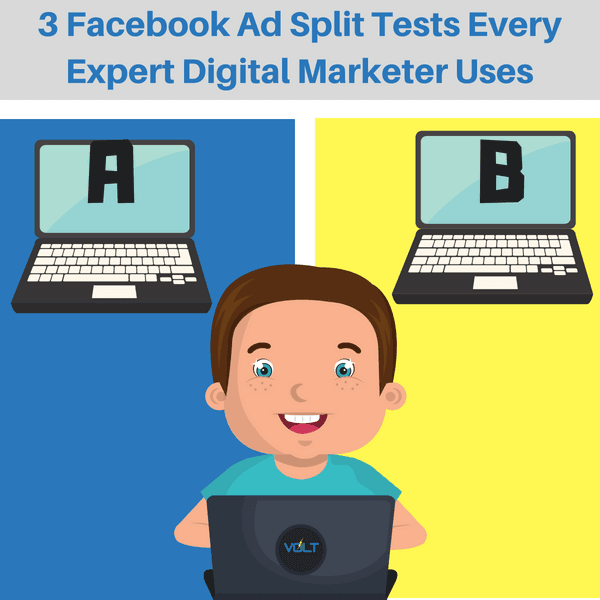
Avoid clickbait. An ad that promises more than you deliver can produce lots of cheap leads who never answer the phone. To find the version that brings in the right people, test one element at a time, as we explain in 3 Facebook ad split tests every expert uses.
Step 5: Build the Form or Landing Page to Screen Leads
This is where most of the quality is won or lost. The form controls the balance between volume and quality.
| Approach | What it does | Trade-off |
|---|---|---|
| Short form (name, phone, email) | Gets the most submissions | More low-intent leads |
| Form with 2–4 screening questions | Filters out poor fits | Fewer leads, higher quality |
| Landing page with an explainer and a form | Warms people up before they submit | More setup, often better fit |
| Booking page after the form | Lets qualified people pick a time | Fewer drop-offs between steps |
Good screening questions are simple and tied to your standards: What are you looking for help with? When do you want to get started? What is your zip code? Keep the language friendly and the question count low. Every extra question loses some people, so ask only what your team will actually use.
Always include clear consent language where you will contact people by phone, text or email, and check requirements with your compliance team or legal counsel.
Step 6: Follow Up Fast
You can run a perfect campaign and still lose most of the value by following up slowly. People submit a form while the problem is on their mind. An hour later they have moved on.
A simple follow-up system includes:
- An instant text and email confirming their request and telling them what happens next.
- A phone call from a real person as quickly as you can manage it.
- A short sequence of reminders over the next several days for people who did not pick up.
- A booking link so interested people can choose a time themselves.
This is why our campaigns pair Facebook ads with email and SMS automation and, where it helps, a branded landing page. You can see the pieces we offer on our services page.
Step 7: Measure Quality, Not Just Cost
A low cost per lead feels good, but it can hide a problem. The numbers that tell the real story are:
- Cost per qualified lead: how much you pay for a lead that meets your standards.
- Contact rate: the share of leads you actually reach.
- Appointment or application rate: the share that moves to the next step.
- Cost per customer: the number that ties the campaign to revenue.
Ask your sales team for feedback every week and feed it back into the campaign. If leads from one ad or audience keep going nowhere, pause it. If one produces the buyers, build more like it. That loop of launch, listen and improve is how lead generation campaigns get better over time.
To give you a sense of what this looks like in practice, here are two of our own results. For an ACA health insurance brokerage, we managed $49,186 in ad spend that produced 2,244 applications at a cost of $21.92 per application. For a financial and insurance company selling life insurance, $2,874 in ad spend produced 224 leads at $12.83 per lead. Results depend on the industry, offer, budget and many other factors, and past performance does not guarantee future results. You can see more on our case studies page.
When to Bring in a Lead Generation Agency
You can do all of this in-house. Many businesses start that way. Consider a lead generation agency when:
- You are spending real budget and cannot tell which leads are worth the money.
- Your team does not have time to test creative, build landing pages and run follow-up.
- You want one partner to connect the ads, the pages and the follow-up instead of juggling three vendors.
When you compare options, ask how they define a qualified lead, how they handle follow-up, how they report on quality and who owns the accounts and data. Volt Digital has been running paid social campaigns since 2016, with $4M+ in ad spend managed and 100,000+ leads generated for 250+ clients. Learn more about how we work on our lead generation agency page, or see how we approach Facebook ads specifically.
Next Steps
Here is a quick checklist to put this into action:
- Write down what a qualified lead looks like for your business.
- Pick one goal and one offer.
- Build creative that names who it is for.
- Add two to four screening questions to your form.
- Set up instant text and email follow-up, plus a fast call.
- Track cost per qualified lead and cost per customer every week.
If you want a team to build and manage it, Schedule your free strategy call with Volt Digital. We will look at your offer, your goals and your follow-up, and tell you honestly whether Facebook ads are a good fit.
Frequently asked questions
What is a qualified lead?+
A qualified lead is a prospect who fits your ideal customer profile and has shown real interest in what you sell. They have the need, the ability to buy and a reason to talk to you now.
Can Facebook ads generate qualified leads?+
Yes, when the targeting, offer and form are built to screen for fit. Facebook ads can reach a lot of people, so the work is in filtering for the ones who are serious. Results vary by industry, audience and offer.
Should I use Facebook instant forms or a landing page?+
Both can work. Instant forms are fast and easy for people to complete, while landing pages let you explain the offer and screen more. Many advertisers test both and compare cost per qualified lead.
How fast should I follow up with a new lead?+
As fast as you can. Leads cool off quickly, so automated text and email within minutes, followed by a personal call, gives you the best chance of starting a conversation.
Want results like these for your business?
Book a free strategy call with the Volt Digital team.